
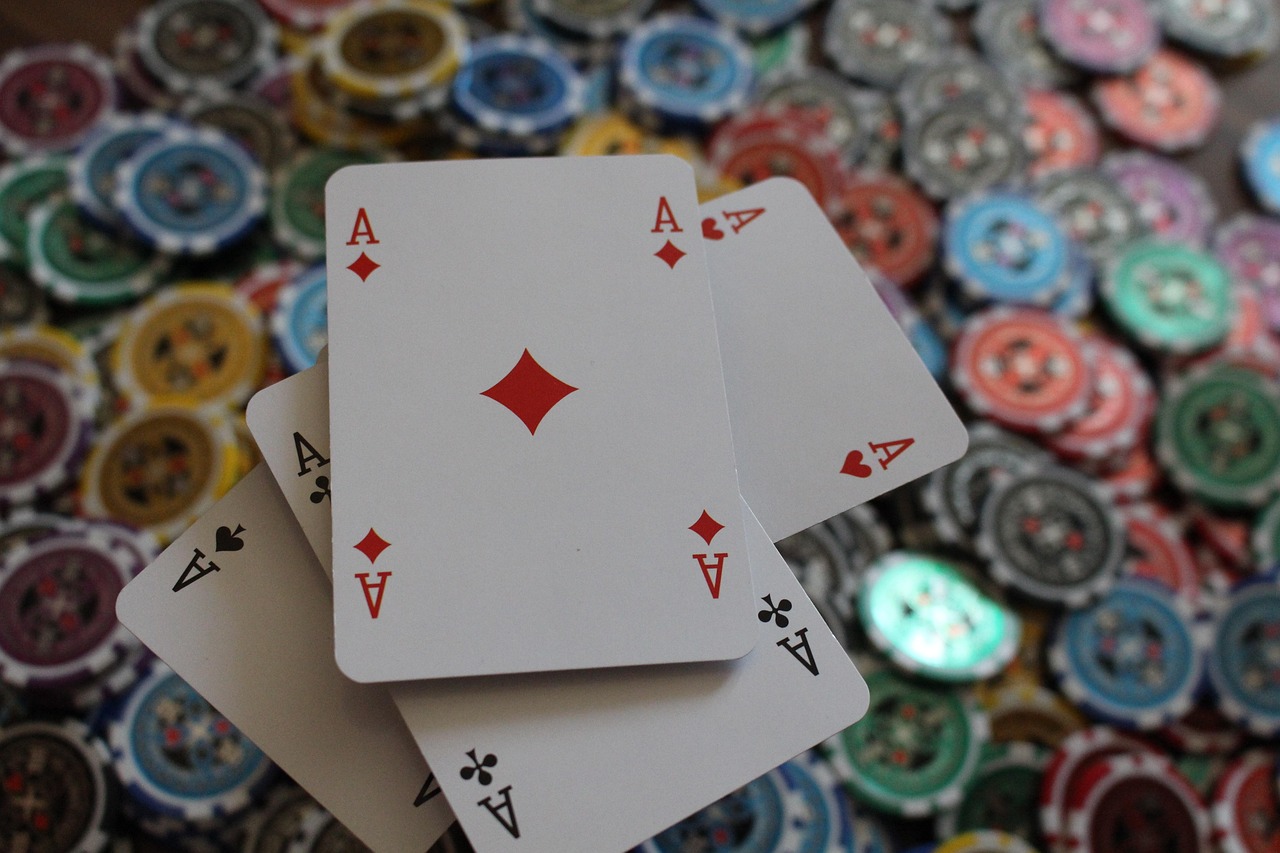
Two players sit down at identical-looking online slots with the same $200 bankroll. Ninety minutes later, one is cashing out $640 and the other is staring at a zero balance, convinced the game is rigged. It isn't. The difference almost always comes down to one misunderstood setting: volatility. If you don't know how to read it before you spin, you're not gambling — you're guessing.
What Slot Volatility Actually Means
Volatility (sometimes called variance) describes how a slot distributes its payouts over time. Every slot has a theoretical Return to Player (RTP) — say 96% — but that number says nothing about how the money comes back to you. A low-volatility slot dribbles it back in small, frequent wins. A high-volatility slot hoards it and then dumps it in rare, massive hits.
Think of it like two vending machines. One gives you a snack every third button press, worth roughly what you paid. The other eats your coins twenty times, then occasionally drops a lobster dinner. Same total value over a million presses. Wildly different experiences on a Tuesday night.
Here's a rough framework players use:
- Low volatility: frequent wins, most under 2x your stake. Hit frequency often above 30%. Great for stretching a small bankroll.
- Medium volatility: balanced. Hit frequency around 20-25%, with wins clustered in the 2x-10x range.
- High volatility: hit frequency can drop below 15%. Long dry spells punctuated by 100x, 1000x, or even 50,000x max wins.
A slot's max win figure — often advertised as "Win up to 50,000x!" — is a direct clue. That kind of top-end payout only exists in a high-variance design.
Why RTP Alone Won't Save You
New players obsess over RTP. It matters, but not the way most people think. The difference between 96% and 94% RTP is $2 per $100 wagered over an infinite sample. In a single 200-spin session, variance completely drowns out that edge. You will never play enough spins to feel a 2% RTP difference.
What you will feel, immediately, is volatility. Choosing a 96% RTP high-volatility slot with a $50 bankroll is a recipe for busting in fifteen minutes, even though the math is technically "better." Choosing a 94% RTP low-volatility slot with the same $50 keeps you spinning for an hour or more.
Practical rule: match volatility to bankroll first, then optimize for RTP.
Matching Bankroll to Volatility
A useful starting benchmark is 100 to 200 times your average bet in total bankroll for medium-volatility games, and 300+ times for high-volatility titles.
- Decide your total session budget. Say $100.
- Pick your stake. For a high-volatility slot, that means $0.20-$0.30 per spin, not $1.
- Check the max win and hit frequency. If max win is 10,000x+ and you're betting 1/100th of your bankroll, expect wild swings.
- Set a loss limit and a win limit before spin one. High-variance games can hand you a 400x hit at any moment — decide in advance whether you'll bank it.
One more thing: bonus buys. Buying a free-spins feature for 100x your stake on a high-volatility slot means you're essentially rolling a single, high-stakes dice throw. The math is usually fair, but the outcome distribution is brutal. If a $1 spin already feels expensive, a $100 bonus buy should terrify you. For up-to-date information, visit สล็อตเว็บตรง.
Volatility in Poker and Sports Betting
The concept isn't just for slots. In poker, cash games are the low-variance grind; multi-table tournaments (MTTs) are the high-variance lottery. A tournament pro can go 30 buy-ins without a final table and still be playing perfectly. Cash game players see their edge materialize over hundreds of hours, not thousands.
Sports betting follows the same logic. A -110 spread bet has modest variance; a 10-leg parlay at +5000 is pure high-volatility gambling. Punters who build their entire strategy around long-shot parlays are choosing the slot-machine approach. Those who grind singles at small edges are playing the cash-game approach. Neither is "wrong," but the bankroll requirements differ enormously.
Ignoring this is why so many recreational bettors blow up. They apply cash-game bankroll discipline to tournament-level variance and wonder why they go broke despite "good picks."
How to Actually Use This
Before you load any game, ask three questions:
- How much can I lose tonight without it ruining my week? That's your real bankroll, not your account balance.
- What stake keeps me alive through a 100-spin cold streak? If the answer is "none," drop your stake.
- Am I chasing the max win or grinding for playtime? Chase means high volatility. Grind means low or medium.
Also, read the paytable. It's boring, but it tells you exactly what you're buying. A slot where the top symbol pays 0.5x for five-of-a-kind is a grinder. One where a single symbol pays 5,000x is a swing-for-the-fences machine. The design intent is right there in the numbers.
Volatility isn't a flaw in casino games — it's the feature that lets different players get what they want from the same product. Some people want a slow, social evening of small wins and free drinks. Others want the adrenaline of a near-miss that could pay their rent. Both are legitimate. What's not legitimate is pretending the difference doesn't exist and then blaming the algorithm when your $30 bankroll evaporates on a 50,000x max-win slot.
Understand the variance curve before you sit down, choose games that match your temperament and your wallet, and you'll stop being the guy staring at a zero balance. You'll be the one who cashed out — because you knew exactly what kind of ride you were buying.


Zhon Andarson
Coding is used in almost all aspects of life and work now, be it directly or indirectly. It’s not just for companies in the tech sector. “An increasing number of businesses rely on computer code,
Andro Smith Doe
Coding is used in almost all aspects of life and work now, be it directly or indirectly. It’s not just for companies in the tech sector. “An increasing number of businesses rely on computer code,